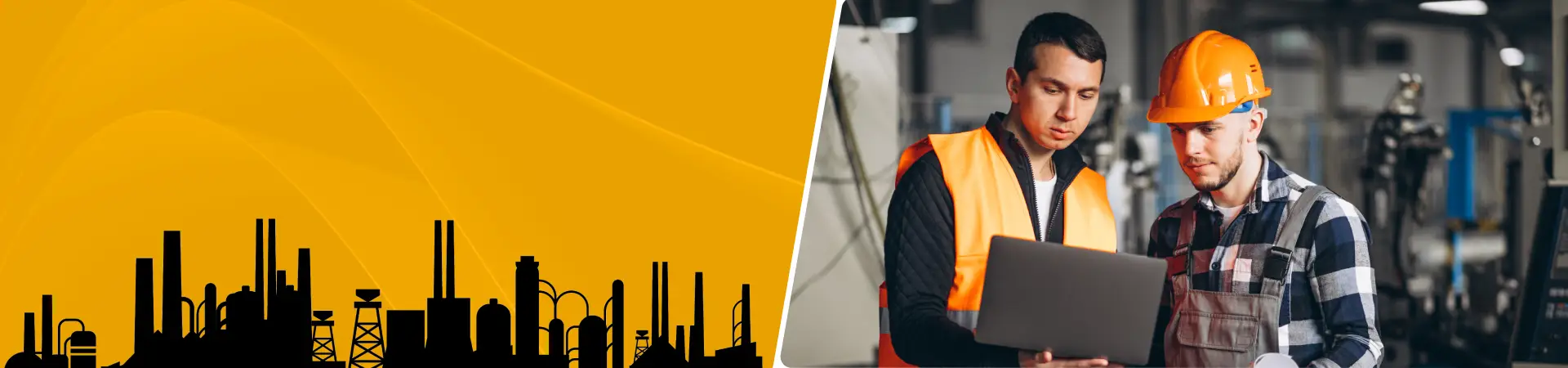

Step-by-Step Aluminium Casting Process Explained: From Mold Preparation to Final Machining
The aluminium casting process is a combination of precision engineering and advanced manufacturing techniques. Understanding each step helps industries choose the right process for their applications.
The process begins with mold preparation. Depending on requirements, manufacturers use sand casting, gravity die casting, or pressure die casting methods. Each technique offers unique advantages in terms of cost, complexity, and production volume.
Next is melting and pouring. Aluminium is melted at high temperatures and poured into the mold under controlled conditions. In high pressure die casting, molten metal is injected into the mold at high speed, ensuring excellent surface finish and dimensional accuracy.
After solidification, the casting is removed and undergoes trimming to eliminate excess material. Heat treatment may be applied to enhance mechanical properties, especially for critical industrial components.
The next stage is machining. CNC machining ensures precise dimensions and surface finish, making components ready for industrial use. This step is essential for machined aluminium parts used in power transmission and automotive applications.
Finally, quality inspection ensures the product meets industry standards. From aluminium die cast blades to turbine components, each product undergoes rigorous testing.
This step-by-step approach ensures consistent quality, making aluminium casting a reliable solution for diverse industries.
Categories
- Precision Aluminium Castings in India
- Why Gescons is Trusted for Aluminium Castings in Critical Industries
- Gescons: Powering Critical Industries with Precision Aluminium Castings
- Gescons' Role in Import Substitution with High-Performance Aluminium Castings
- Aluminium Casting & Machining Insights
- Trusted Aluminium Castings for Critical Industries
- Import Substitution Aluminium Castings
- Aluminium Castings for Power & Energy Sector
- Quality, Testing & Certification in Aluminium Castings
- Advanced Foundry & Machining Capabilities
- Make in India & Import Substitution Manufacturing
- Custom & OEM Aluminium Casting Solutions
Recent Posts

28-05-2026
Why Global OEMs Are Looking to India for High-Quality Aluminium Alloy Castings

21-05-2026
Understanding Gas-Insulated Switchgear (GIS) Components and Their Importance in Modern Power Infrastructure

14-05-2026
CNC Machining and Aluminium Casting: The Perfect Combination for Precision Components
07-05-2026
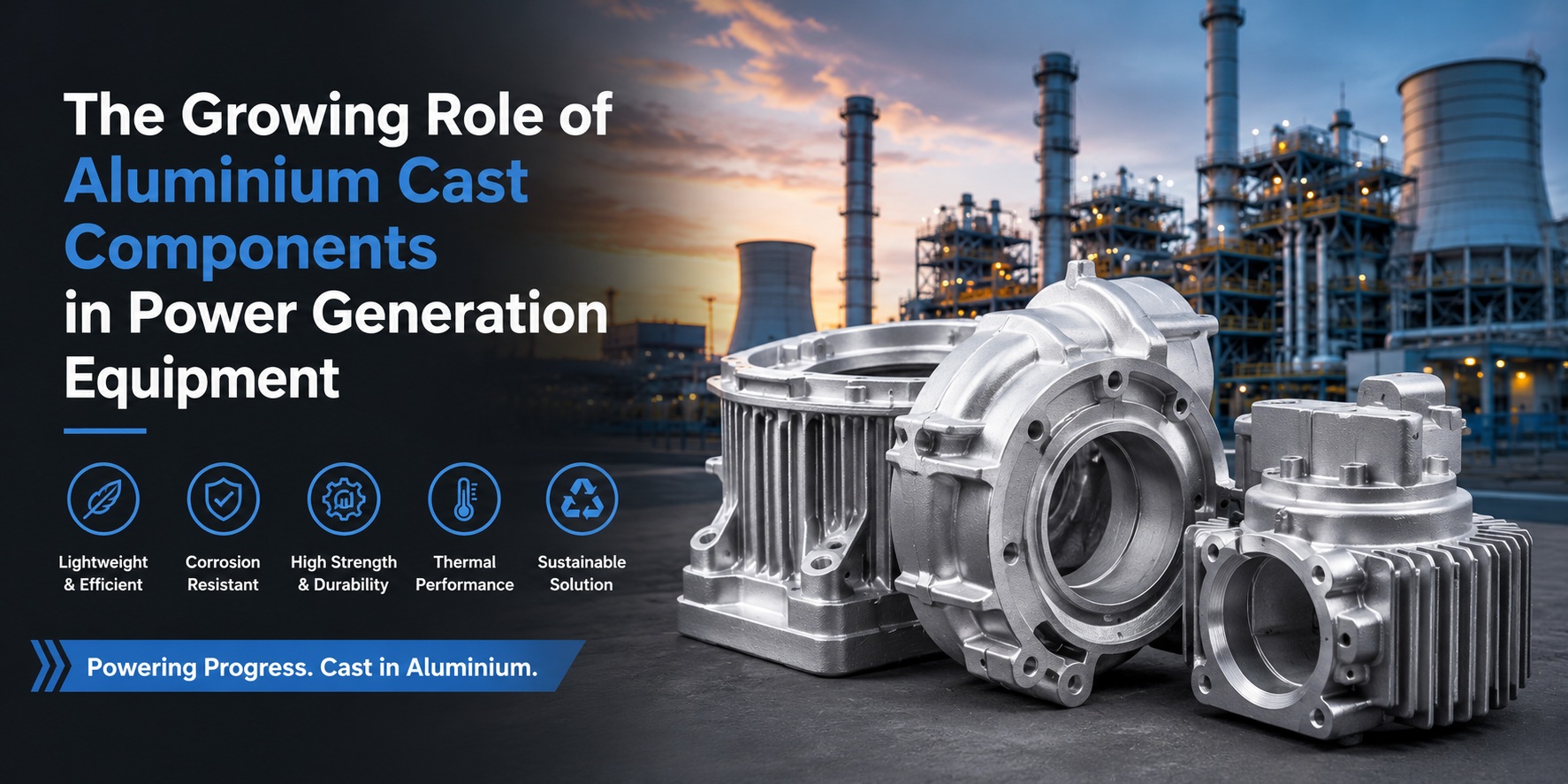
The Growing Role of Aluminium Cast Components in Power Generation Equipment

01-05-2026
How Aluminium Castings Improve Equipment Reliability in the Oil & Gas Industry

27-03-2026
Sustainable Manufacturing: How Aluminium Casting Supports Eco-Friendly Industrial Growth