Why Aluminium Castings Are Ideal for Power Transmission Applications
Power transmission systems operate under demanding conditions—continuous load, heat generation, vibration, and long operational cycles. To meet these challenges, manufacturers increasingly rely on aluminium cast components for critical power transmission applications. Aluminium casting offers a unique balance of strength, weight efficiency, durability, and design flexibility, making it ideal for modern power infrastructure.
Lightweight with High Structural Strength
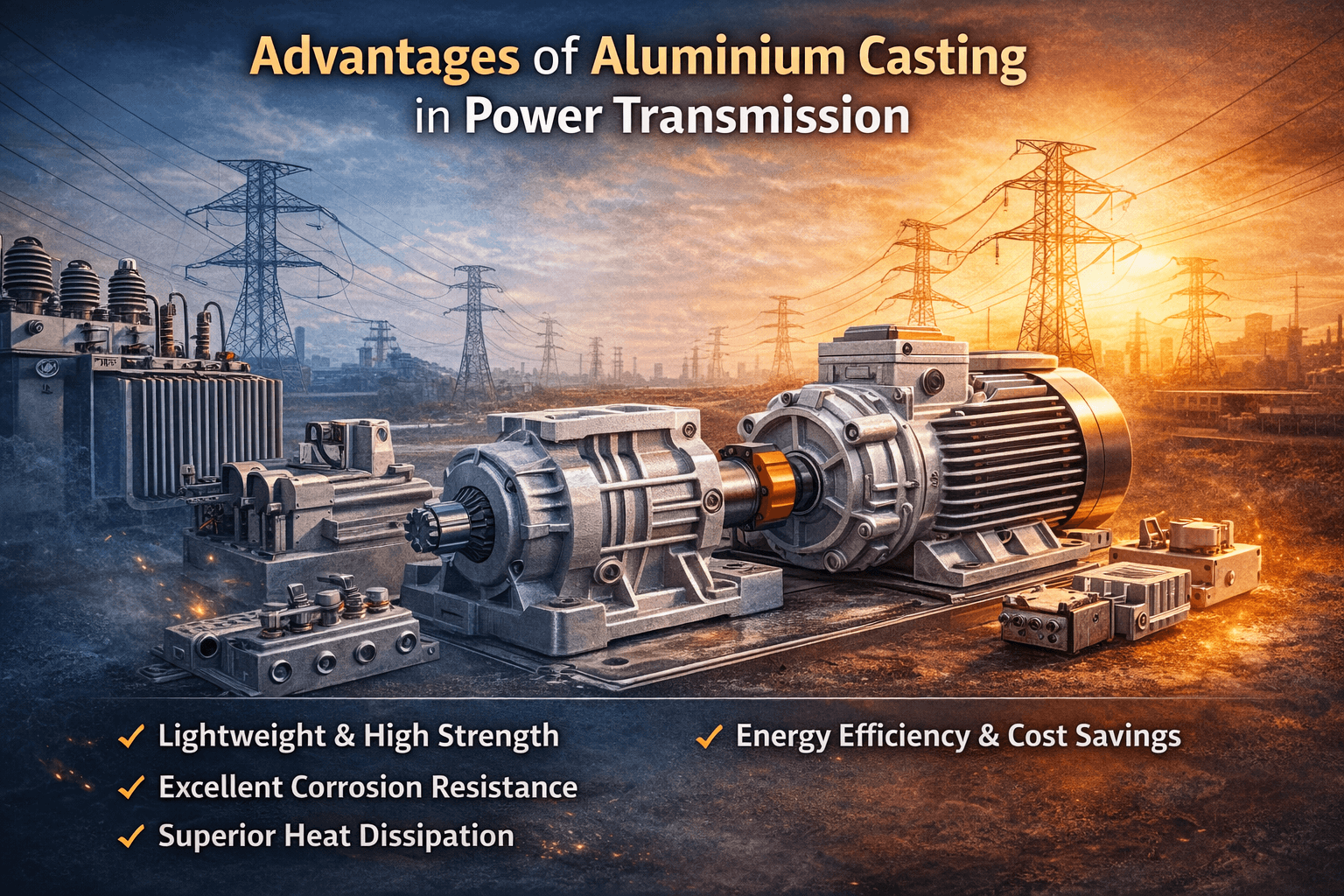
One of the biggest advantages of aluminium casting is its excellent strength-to-weight ratio. In power transmission equipment such as motor housings, gearboxes, and coupling assemblies, reduced weight helps lower structural load while maintaining mechanical integrity. This improves system efficiency and simplifies installation and handling.
Superior Heat Dissipation
Efficient thermal management is crucial in power transmission systems. Aluminium has high thermal conductivity, allowing cast components to dissipate heat faster than many alternative metals. This helps prevent overheating, enhances operational stability, and extends the service life of motors, transformers, and rotating equipment.
Excellent Corrosion Resistance
Power transmission components are often exposed to harsh environments—humidity, dust, chemicals, and temperature fluctuations. Aluminium naturally forms a protective oxide layer, providing strong resistance to corrosion. This reduces maintenance requirements and ensures long-term reliability, especially in outdoor and industrial installations.
Design Flexibility & Precision
Advanced aluminium casting processes such as Gravity Die Casting enable the production of complex geometries with high dimensional accuracy. Integrated ribs, cooling fins, mounting features, and uniform wall thickness can be cast directly into the component, reducing the need for excessive machining and assembly.
Cost Efficiency Over Lifecycle
While aluminium casting offers high performance, it is also cost-effective over the product lifecycle. Lower material weight reduces transportation and handling costs, while durability and corrosion resistance minimize downtime and replacement expenses—key considerations for power sector operators.
Ideal for Critical Power Applications
Because of these advantages, aluminium castings are widely used in power transmission and distribution equipment, including motor housings, alternator parts, gearbox casings, and electrical enclosures. When combined with proper machining, heat treatment, and quality testing, aluminium cast components deliver consistent performance in critical power applications.
Categories
- Precision Aluminium Castings in India
- Why Gescons is Trusted for Aluminium Castings in Critical Industries
- Gescons: Powering Critical Industries with Precision Aluminium Castings
- Gescons' Role in Import Substitution with High-Performance Aluminium Castings
- Aluminium Casting & Machining Insights
- Trusted Aluminium Castings for Critical Industries
- Import Substitution Aluminium Castings
- Aluminium Castings for Power & Energy Sector
- Quality, Testing & Certification in Aluminium Castings
- Advanced Foundry & Machining Capabilities
- Make in India & Import Substitution Manufacturing
- Custom & OEM Aluminium Casting Solutions
Recent Posts

28-05-2026
Why Global OEMs Are Looking to India for High-Quality Aluminium Alloy Castings

21-05-2026
Understanding Gas-Insulated Switchgear (GIS) Components and Their Importance in Modern Power Infrastructure

14-05-2026
CNC Machining and Aluminium Casting: The Perfect Combination for Precision Components
07-05-2026
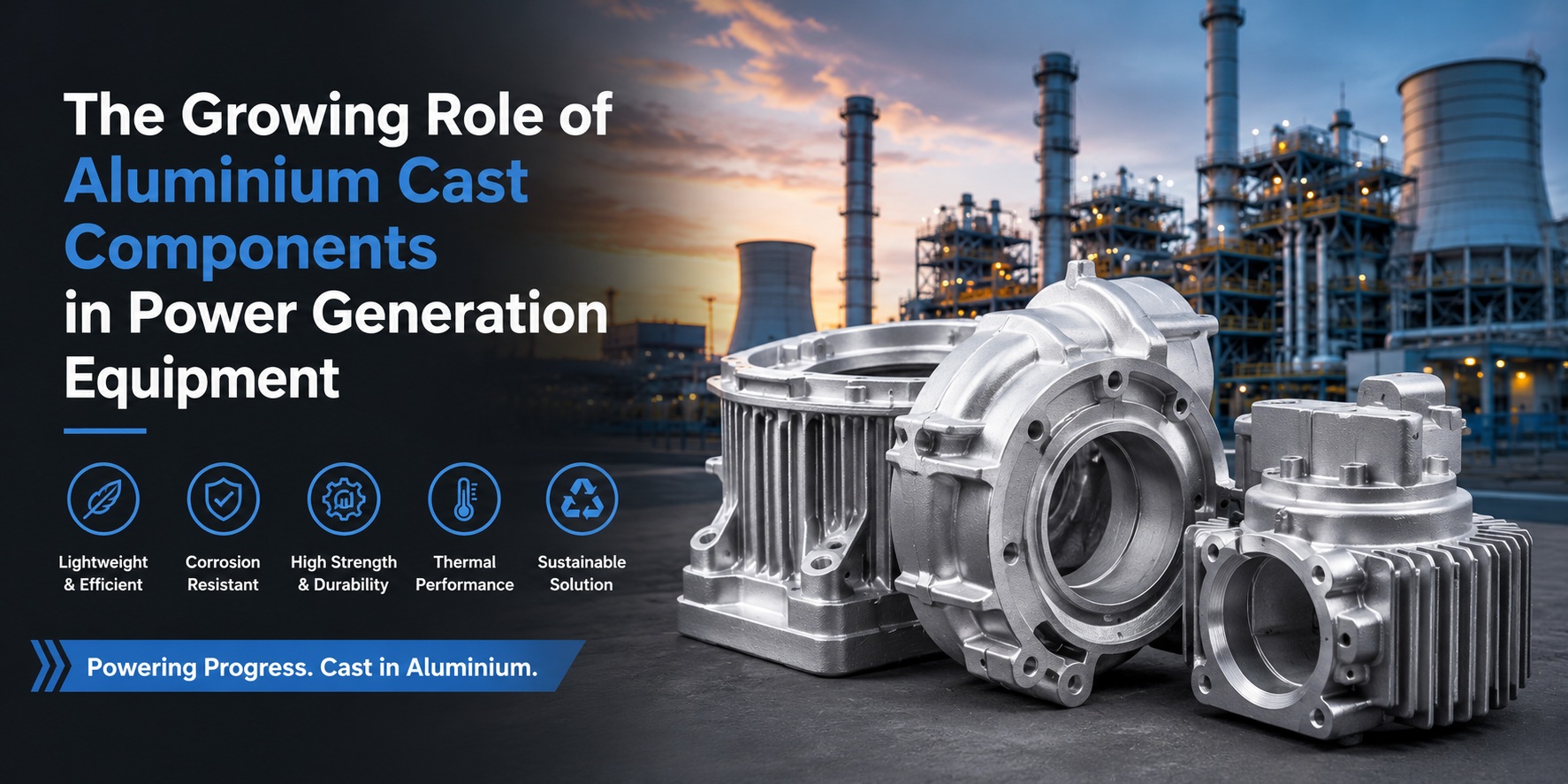
The Growing Role of Aluminium Cast Components in Power Generation Equipment

01-05-2026
How Aluminium Castings Improve Equipment Reliability in the Oil & Gas Industry

27-03-2026
Sustainable Manufacturing: How Aluminium Casting Supports Eco-Friendly Industrial Growth